When Travel Changes the Way You Play
Before there were 33 clubs in 15 countries, there were four teenage girls coming home from the national team with stories Burriana had never heard — and their coach, half a continent away, watching a club do things no Spanish tournament had ever shown him.
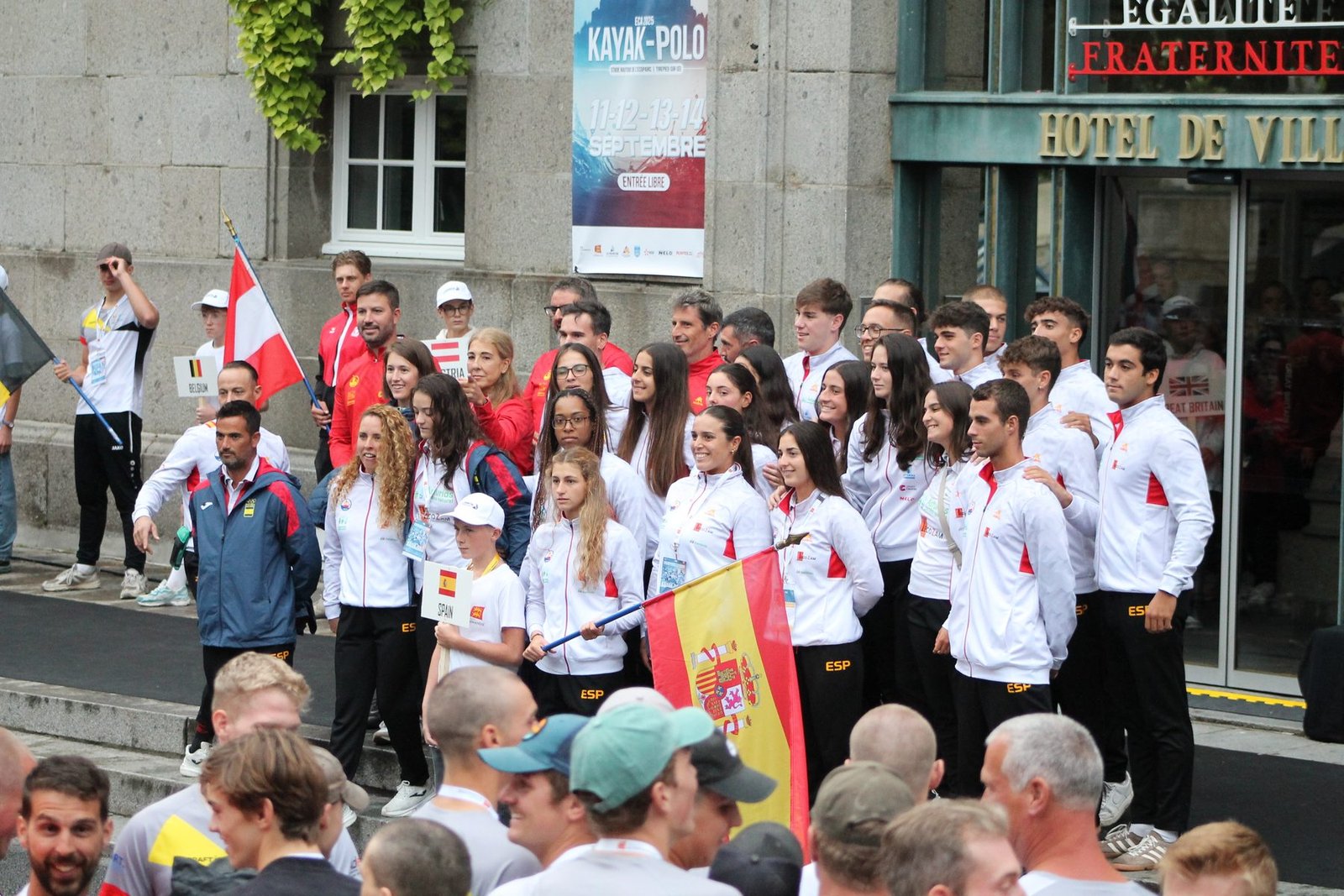
Carmen Almela, Rocío Bodí, Raquel Calvente and Sara Calvente grew up on the water in Burriana, learning kayak polo together from around the age of ten. Telmo coached them through the slow years — the ones spent on fundamentals nobody applauds — before handing them off to a coach who could take their game further than he could.
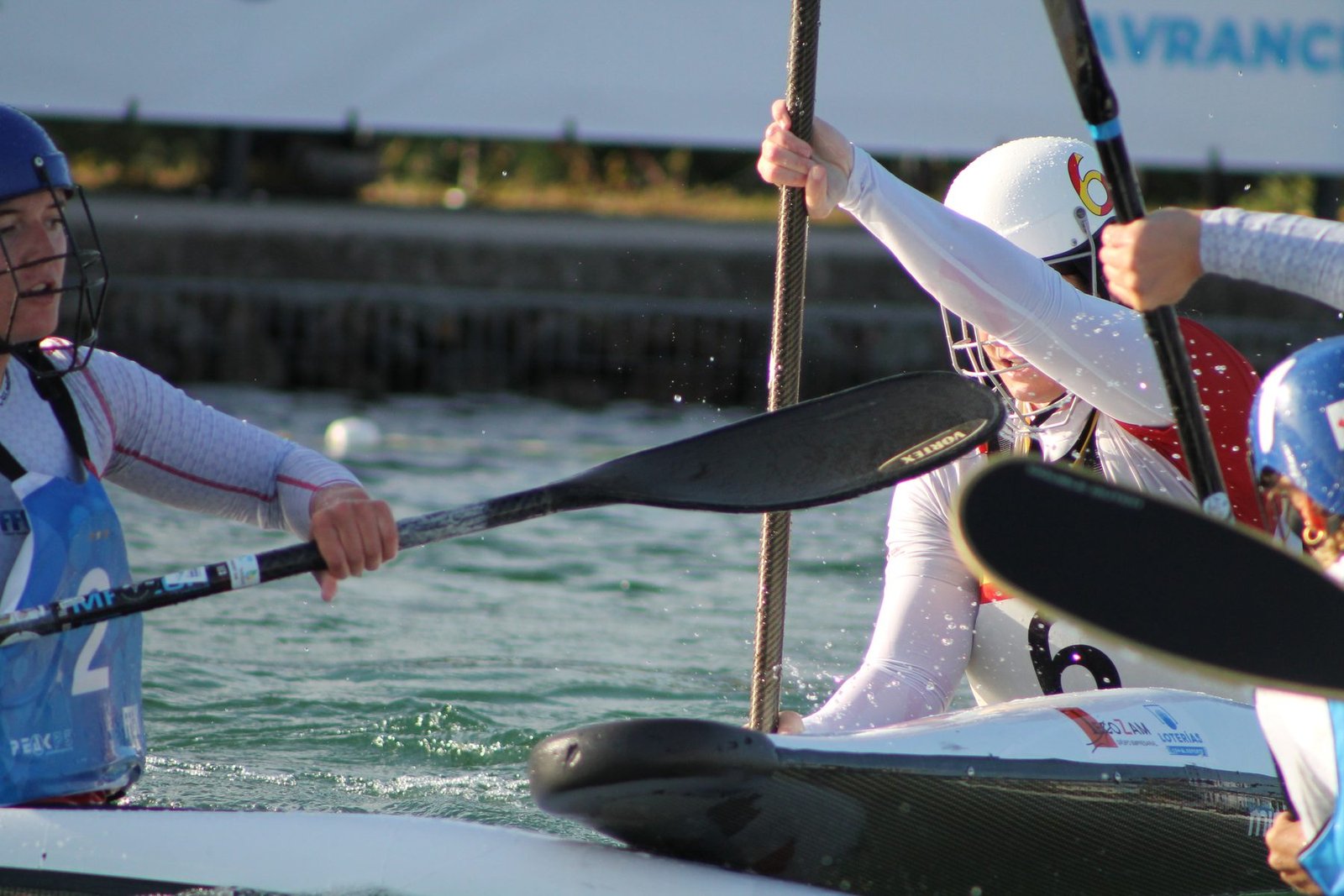
By fifteen and sixteen, barely old enough to be called up, they weren’t promising juniors anymore. They were starters. Quarterfinals, semifinals, finals played at a level nothing in the Spanish domestic calendar had quite prepared them for. In one national call-up, four of the eight kayakers on the roster were from the same small club, on the same short stretch of river.
Why should that kind of experience stay reserved for the players good enough to wear the national jersey?
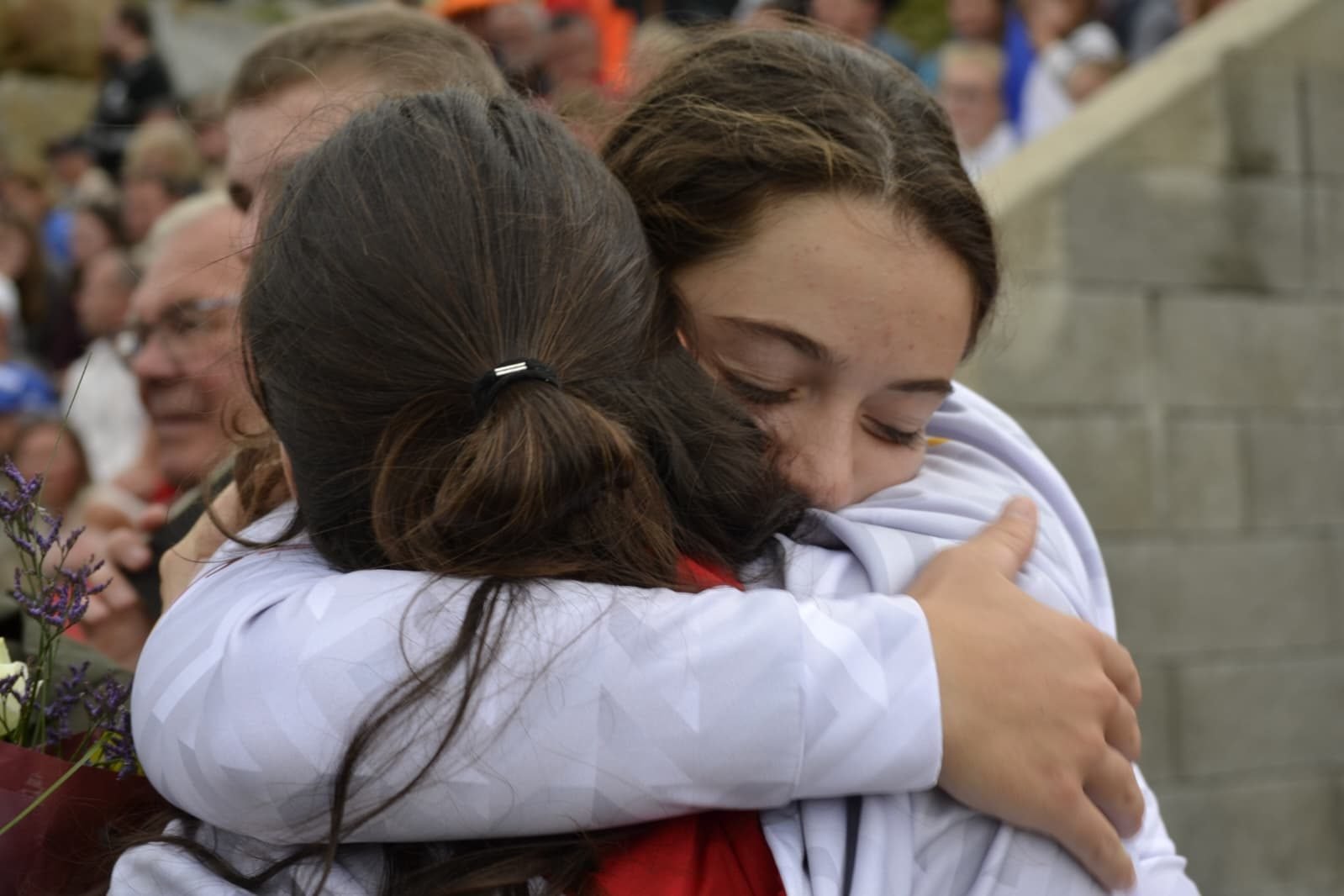
What the four of them brought home wasn’t just results. It was information — new defensive shapes, attacking rhythms nobody played in the Spanish league, a completely different read on the game. They came home with people too: friendships struck up across a pool during a five-minute break between matches, contacts that turned into messages long after the tournament was over.
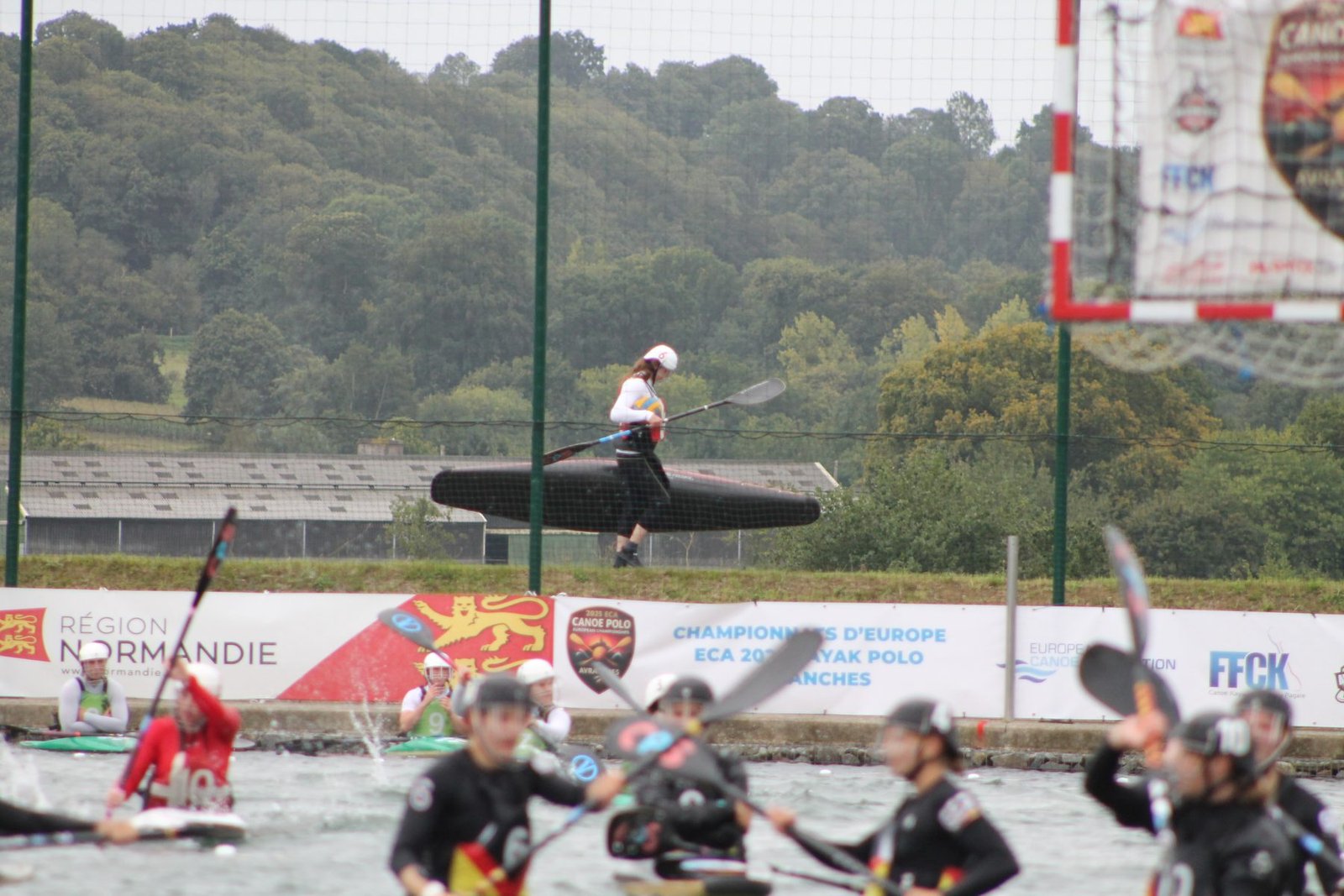
Telmo went looking for the same lesson on his own terms. Spanish tournaments — Arcos de la Frontera, Galicia, Madrid, Burriana itself — tend to share the same conditions, the same modest infrastructure, the same familiar faces. Avranches, in France, did not. Four dedicated kayak polo pitches, six green spaces around them, a hangar built just to store boats, and enough people moving through the venue to make a small club tournament feel like a regional fair.
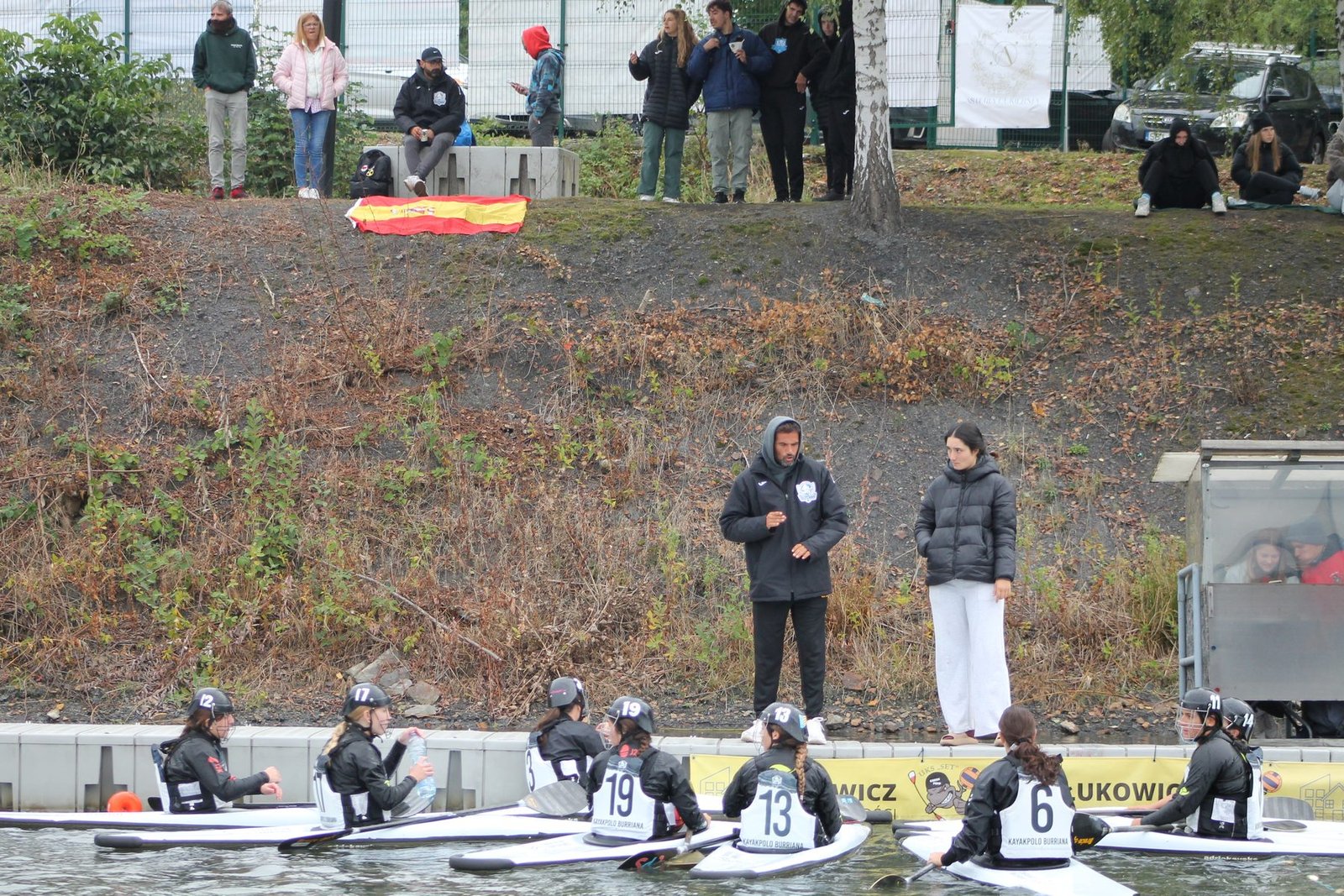
Poland taught him something closer to the opposite lesson. A small club, working with a fraction of Avranches’ resources, running a European club championship — and doing it well. Fewer facilities, less funding, the same quality of result. It reinforced an idea Telmo kept circling back to: there was no single template for doing this right. Every club he visited had found its own way of solving the same problem with whatever it had.
Travel did more than change what these players and their coach knew about kayak polo. It changed the rhythm of how they played, the way they read a game, who they now called friends in three or four other countries. Kayak polo, Telmo would say later, was really just the excuse for the trip. By the time he started calling clubs about a project that didn’t exist yet, he wasn’t guessing what all of this could be worth. He had already seen it — in a pool in France, in a modest venue in Poland, and in four teenage girls who came home from the national team asking why this couldn’t be for everyone.