From Instagram to Face to Face
Before there were formal exchanges, there was a video call with two men who happened to share the same first name — and, not long after, a man standing at the edge of a foreign championship, introducing himself to strangers one conversation at a time.

For the first months, recruiting kayak polo clubs meant sending a message and waiting. Telmo reached out over Instagram, over email, through whatever contact a club’s federation page happened to list, and mostly he waited for replies that didn’t come. The idea worked well enough on a screen. It would need to work in person too, eventually — but the first real test arrived over a video call.
The first club to sign was in Prague. In the emails leading up to it, Telmo wasn’t even sure how many people he was talking to — two club officials, it turned out, shared the same first name, Petr, and for a while their messages read like they might have been the same person. On the call, both showed up. One was on a train, the connection cutting in and out, and he was the one asking the most questions, pushing hardest for detail. The other spoke some Spanish, from a season spent playing for a club in Spain.
Neither of them needed Erasmus+ explained to them — they’d used the program before, at an educational center, and understood exactly what Telmo was proposing before he’d finished proposing it. He sent the paperwork that week. By the end of it, Prague was signed and in order: the first club, out of what was supposed to become a group of three, to say yes to something that still existed mostly on paper.
«Hi, I’m Telmo — I want to talk about my project. I think it could interest your club.»
Signing Prague on a screen was one kind of proof. Avranches asked for another. Telmo traveled there with his family — a rental car, a short-term apartment, a little tourism worked in around the matches, Mont Saint-Michel and Fougères along the way. He’d brought a list of clubs and contacts to approach, carefully put together in advance. It turned out to be almost useless: championships don’t run on lists, they run on whoever happens to be free between matches, so the list gave way to just walking up to people.
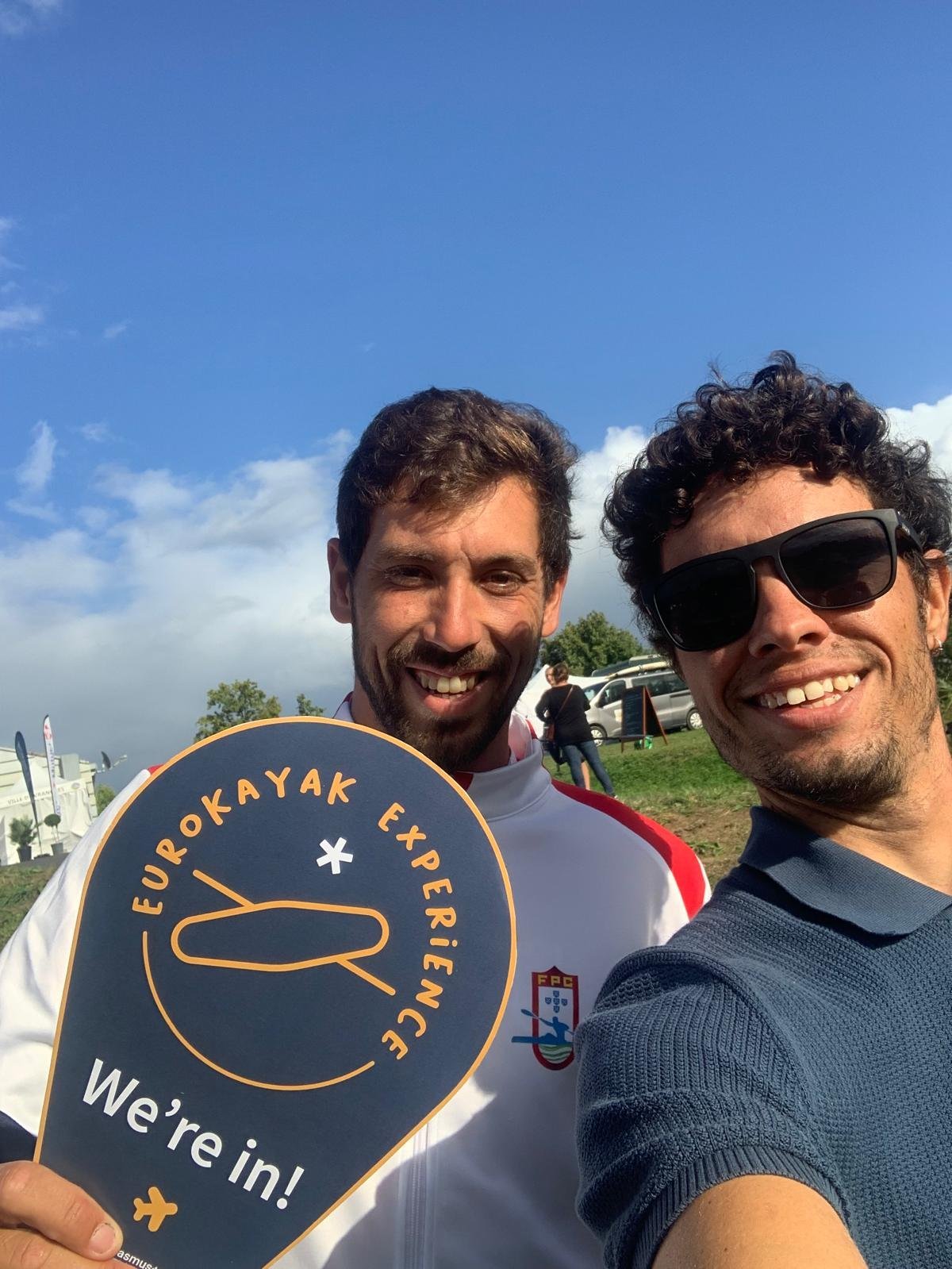
Standing there in person, saying it out loud, did something a message never could — it proved there was an actual person behind the idea, someone who cared enough about kayak polo to show up and say it face to face. He came with photos, printed material, stickers, small merchandise, anything that gave the conversation something to hold onto between matches.
Not everyone said yes. Players rarely got to decide for their own club, so Telmo learned to look past them, for whoever actually ran things — a president, a coach, someone with the authority to commit to a program that hadn’t proven anything yet. Some clubs turned him down outright. Others just never followed up. It made sense: there were no finished exchanges yet, nothing anyone could point to and say, this worked. Trust, at that stage, was mostly a leap.
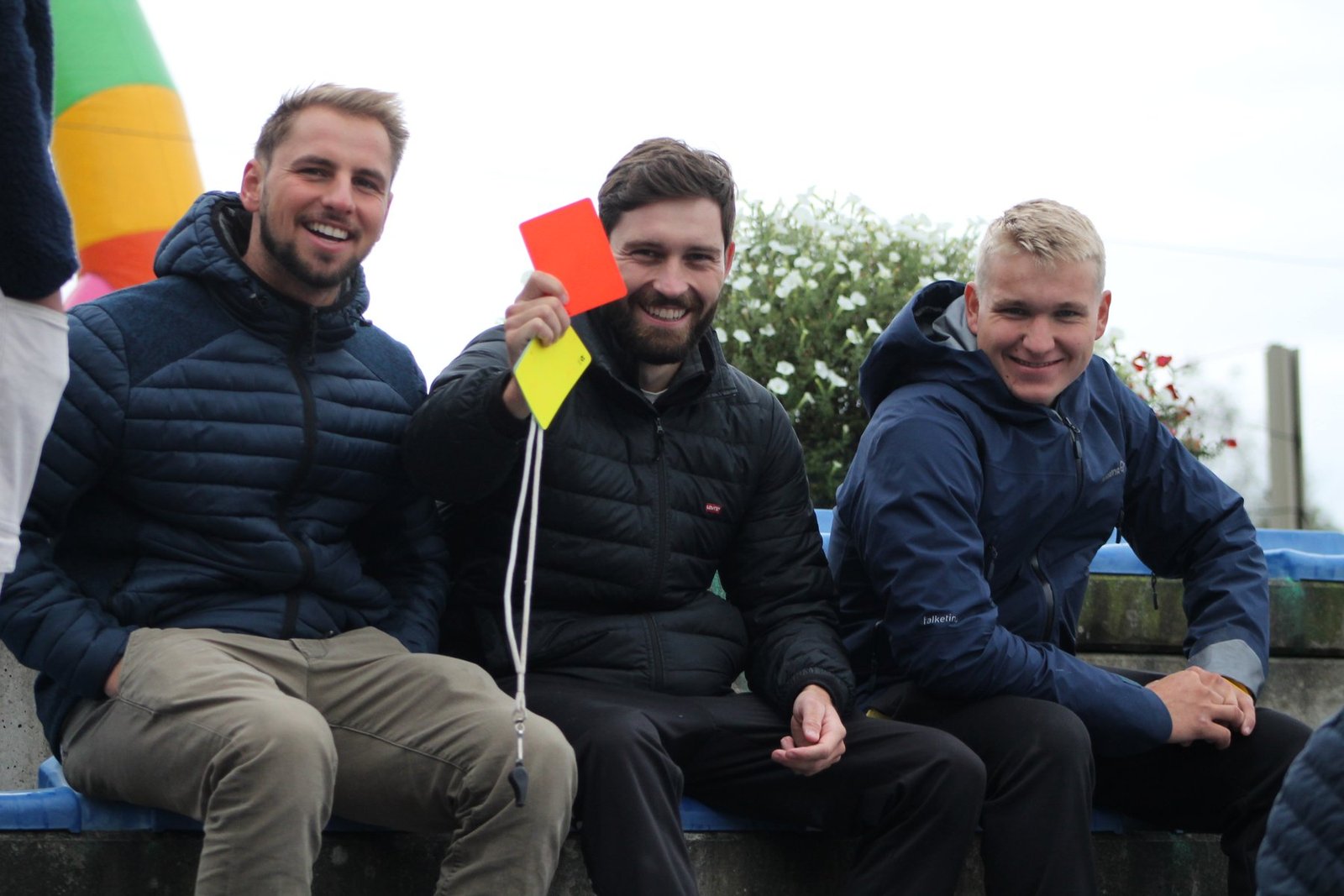
Poland offered something gentler. By the time Telmo arrived for the European club championship there, he wasn’t only meeting strangers — some of the players and coaches on the sidelines were people he’d already spoken to, over messages or a video call, weeks or months earlier. Putting a face and a handshake to a name he only knew from a screen mattered more than he’d expected it to.
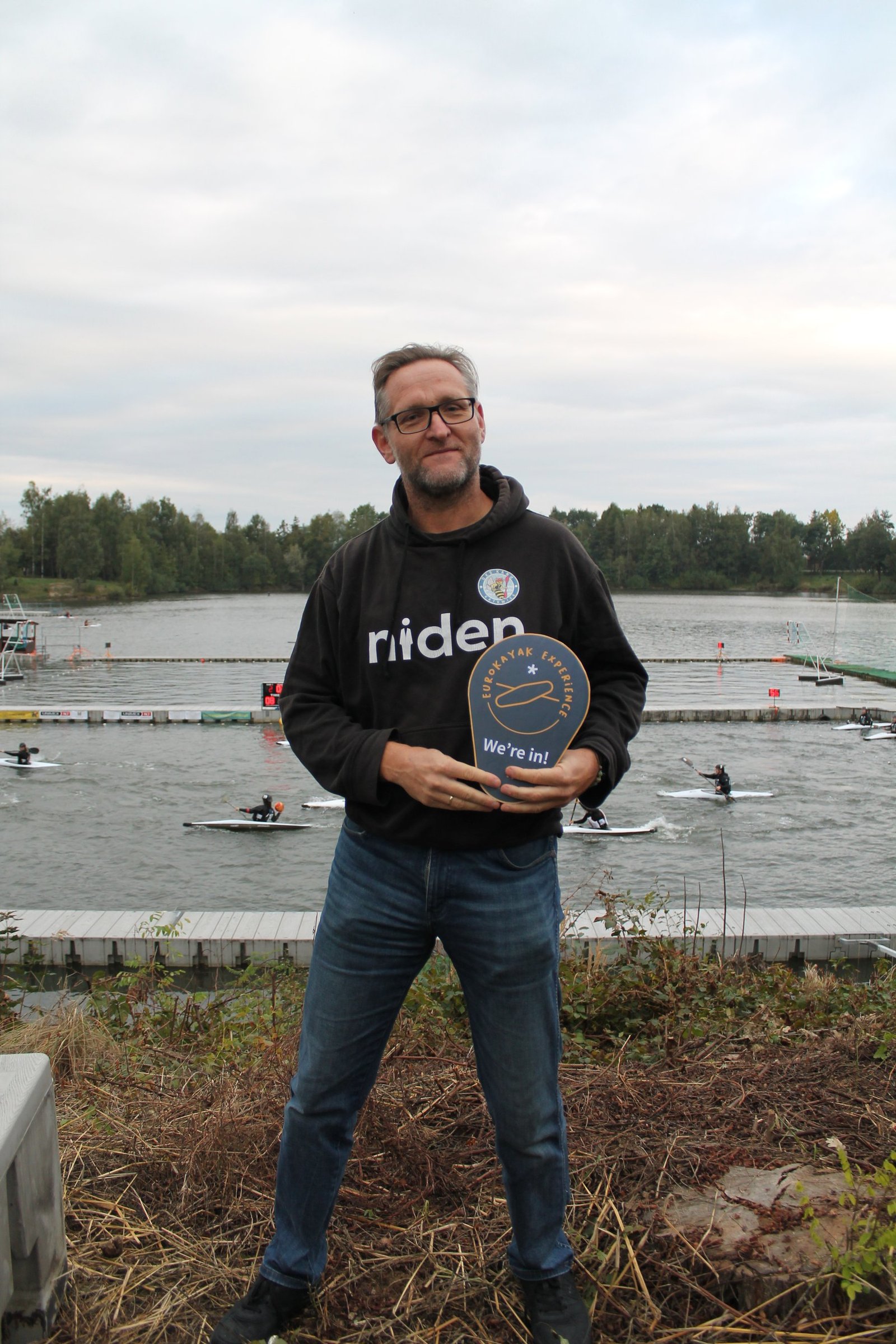
A year earlier, the whole project had lived inside a phone — messages sent into the dark, waiting for something back. By the time Telmo left Poland, it had started to live in handshakes too. The two were never in competition with each other; screens got the conversation started, and showing up in person is what actually closed it.