The Harvest Hasn’t Come Yet
Thirty-three clubs said yes a year and a half ago. None of them have traveled. This is what the waiting actually feels like — and why Telmo still calls it a harvest already underway, just not the one everyone is watching for.
Telmo has a way of describing the last year and a half that has nothing to do with clubs or countries. A year and a half of sowing: building the idea, the paperwork, the image, the first contacts, the patient work of getting strangers to trust something that didn’t exist yet. Then the first shoots — Prague, the first contracts, the first groups, a network that kept growing past every number he’d let himself hope for. Now, he says, the plants are growing. The first fruit is starting to show. But the harvest itself hasn’t come.
The paperwork tells the same story in duller language. The first batch of Erasmus+ projects for kayak polo exchanges went in months ago, with an initial expectation of hearing back around May 2026. Summer came and went, and now it’s September — still nothing answered, accepted, or rejected, the deliberation simply not finished yet. It’s pushed the first official exchanges further back than anyone had planned. Telmo isn’t worried they’ll fall through. He’s certain they’ll happen; the only real question left is when.
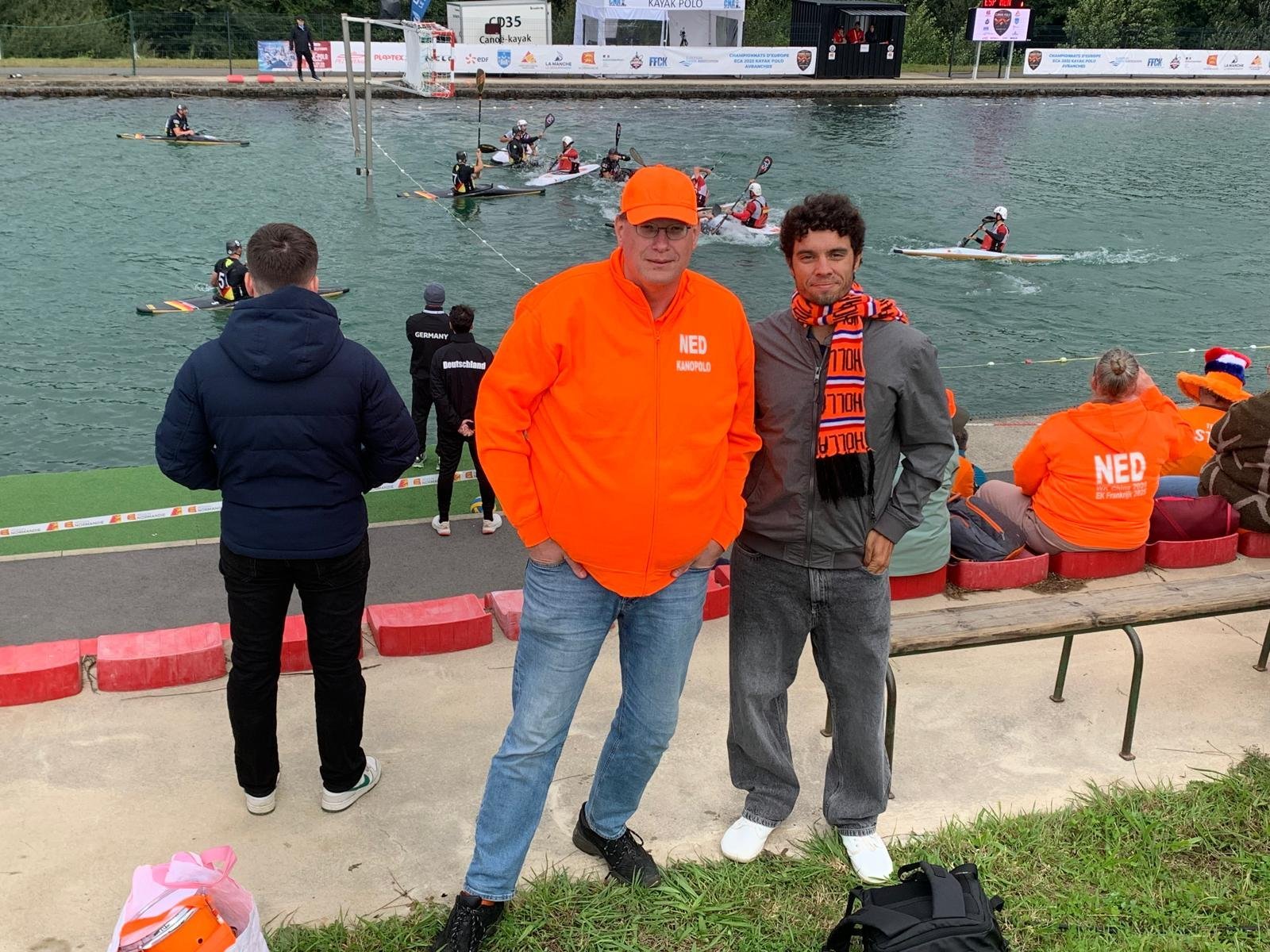
The clubs know. Nobody involved is under the illusion that this is moving at the pace anyone hoped for, and Telmo has tried to keep the disruption to a minimum — working in the background, saying little until there’s something real to say, rather than filling the silence with reassurances he can’t back up yet.
The harvest hasn’t come yet.
And yet Telmo doesn’t talk about this waiting period like a project stuck in neutral. He talks about a second kind of harvest — smaller, harder to put in a report, already happening. Some of his contacts across Europe have stopped feeling like contacts. Conversations that started as logistics — dates, group sizes, paperwork — have drifted, on their own, into how a club’s season is going, a management headache, a family update, a job outside the sport entirely.
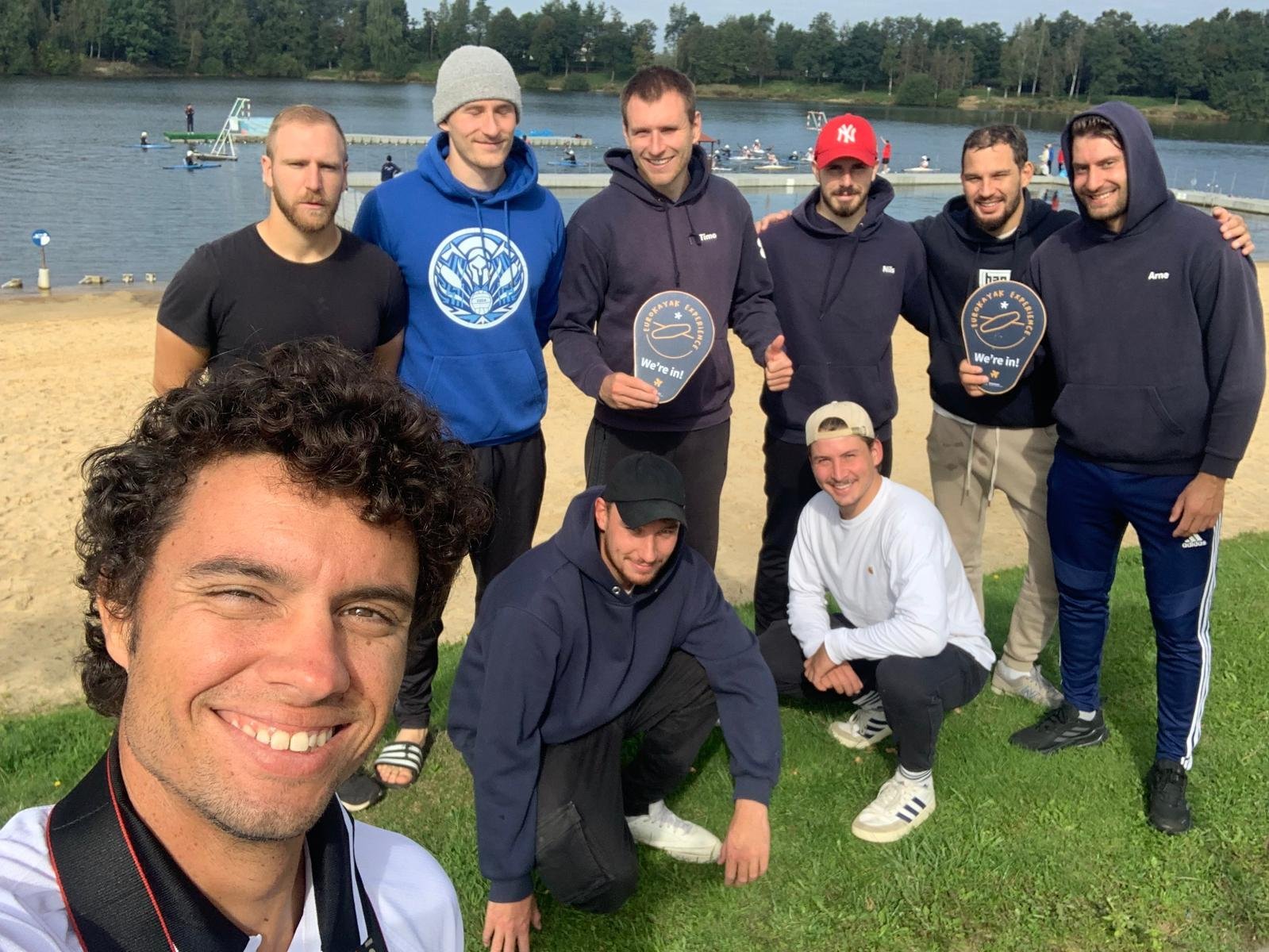
To Telmo, that shift is proof the project’s actual values are already landing, months before a single official exchange has happened. Not every one of those relationships will ever become a story EuroKayak Experience gets to tell — some will stay private, which he’s come to see as part of the mystique of the whole thing rather than a loss. He’d like to give visibility to some of what’s coming. He also knows most of it will simply happen, quietly, whether anyone writes it down or not.
The real harvest, when it comes, will look like thirty-three clubs actually traveling and actually hosting — exchanges executed, reports filed, budgets closed, a first edition finished start to finish. Being first, it probably won’t be even; some of it will go better than expected, some worse. That’s the part Telmo is choosing not to worry about yet. The sowing took a year and a half. The shoots are already up. What happens next isn’t something either of them controls alone anymore — it belongs, now, to thirty-three clubs in fifteen countries who said yes before there was any proof at all.